Team Coaching to Strengthen Collaboration and Alignment at Work
Team Coaching to Strengthen Collaboration and Alignment at Work

Team coaching helps groups improve joint performance, build trust, and fix communication blocks by shifting focus from individual goals to shared collective outcomes. It aligns everyday team habits with major business goals.
Siloed teams, mixed messages, and slow decisions drain energy. Work feels hard when people pull in different directions. Team coaching offers a simple fix. It helps a real team improve how they communicate and work together, in the flow of daily work.
Think of collaboration as how people work together day to day. Think of alignment as shared goals and priorities. Team coaching lifts both by building trust, clarity, and healthy habits.
This post explains what team coaching is, how it differs from training and mentoring, and when to use it. If your workplace will benefit from better collaboration and tighter alignment, you are in the right place.
Team Coaching and How It Builds Collaboration and Alignment
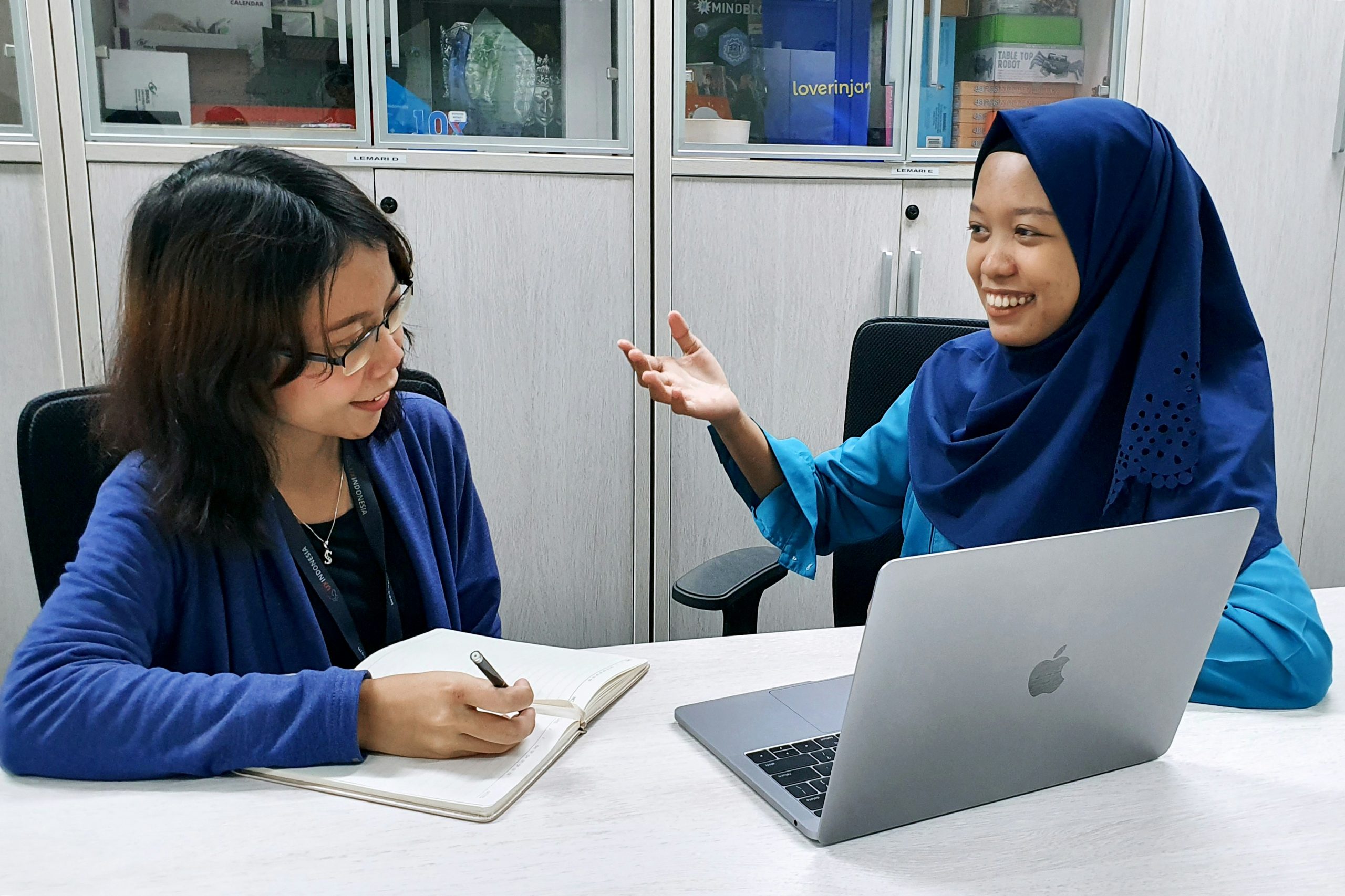
Team coaching is a structured process where a coach helps a team improve how they communicate, make decisions, resolve conflict, and deliver results. The work happens with the team, not to the team. It focuses on behaviors, relationships, and routines while the team tackles real tasks.
Training teaches skills to a group. Mentoring gives one-to-one advice. Facilitation guides a meeting to a pre-defined outcome. Team coaching improves the way the team works together. It supports collaboration in daily work and builds alignment on goals, roles, and priorities.
Collaboration is the day-to-day work between people, like handoffs, feedback, and shared problem solving. Alignment is the shared direction, like clear goals, priorities, and what good looks like. Teams need both. You can have a friendly team that works hard. Without alignment they spin. You can have clear goals. Again, without collaboration the work stalls.
Core benefits of team coaching:
- Trust grows, people speak up earlier, and fix issues faster.
- Clarity improves, fewer handoffs get dropped, and rework goes down.
- Faster decisions because leaders and team members create and use common rules to decide and move.
- Shared accountability where goals and roles are visible and owned together.
- Better meetings with shorter, clearer agendas and more outcomes.
- Morale is improved because people feel heard and supported, so engagement rises.
Team coaching helps most when a team is new, a new leader arrives, a merger or big change hits, or cross-functional work stalls. It is also powerful for hybrid teams where misreads and delays grow. Coaching helps a team get back on track.
Team Coaching vs Training, Mentoring, and Facilitation
- Training: builds skills in a class.
- Mentoring: one-to-one advice from a seasoned person. Example: a senior PM guides a junior PM on career choices.
- Facilitation: runs a meeting for a clear outcome. Example: a facilitator leads a roadmap workshop to set Q3 priorities.
- Team coaching: builds how the team works together while doing real work. Example: the coach observes a sprint planning, then helps the team reshape roles, handoffs, and decision rules.
Key Benefits: trust, clear goals, and shared accountability.
- Better trust: people raise risks early, which reduces last-minute fire drills.
- Clearer roles: fewer handoffs and less rework which leads to shorter project cycles.
- Fewer handoffs: map the flow, cut steps, and reduce wait time.
- Less rework: shared definitions of done, which means fewer back-and-forth loops.
- Faster decisions: simple decision rules result in fewer meetings to get to yes.
- Improved morale: people know what matters so burnout drops, and retention improves.
When to use team coaching in the workplace – both triggers and objectives.
Common triggers:
- New leader or new team charter.
- Conflict within the team.
- Slowed productivity.
- Merger or reorg that blurs roles.
- New product launch or cross-team program.
- Remote or hybrid friction that slows feedback.
- Performance stalls, missed OKRs, or customer churn.
Common objectives for team coaching include improving collaboration, aligning shared goals, resolving conflict constructively, establishing trust and psychological safety, and enhancing overall collective performance to bridge the gap between individual strengths and wider business outcomes.
Improving Communication and Trust
- Building psychological safety: Helping members feel safe to share ideas and speak up without fear.
- Enhancing active listening: Encouraging members to truly understand peer perspectives before responding.
- Strengthening feedback loops: Creating regular and open channels for constructive peer input.
Aligning Purpose and Goals
- Unifying vision: Ensuring every member understands and works toward a shared team purpose.
- Strategic alignment: Connecting day-to-day team actions with broader organizational objectives.
- Role clarity: Defining responsibilities to prevent overlaps, gaps, and confusion.
Optimizing Performance and Dynamics
- Constructive conflict resolution: Turning disagreements into productive problem-solving moments.
- Leveraging strengths: Recognizing and utilizing individual member talents for collective success.
- Change management: Increasing team resilience and adaptability during periods of transition or high pressure.
Who can be in the coaching group:
- A leadership team of 6 to 12 people that owns shared results.
- A cross-functional squad that delivers a product or service.
- A program team with shared milestones and dependencies.
Common collaboration roadblocks coaching can fix:
- Unclear priorities: people chase the loudest voice. Example: sales asks for a feature mid-sprint so engineering loses a week.
- Role confusion: two owners, no owner. Example: both marketing and product write the launch brief, neither finishes.
- Hidden norms: people fear conflict, so they nod in meetings and complain later. Example: tough topics that do not make the agenda.
- Meeting overload: too many status calls, too little decision time. Example: four hours in meetings can mean no time to do the work.
- Slow decisions: no clear rules on who decides. Example: a small pricing tweak waits two weeks for consensus.
Key Steps for Success
· Secure support: Team leaders must back the process and model open change.
· Build safety: Make a safe space where staff can talk without fear.
· Connect outcomes: Link growth goals directly to business metrics.
· Use open questions: Ask how and what to invite joint problem-solving.
Conclusion
Team coaching boosts collaboration and alignment by pairing clear goals with simple rituals and steady measurement. Start small and steady. In a few weeks, you will see faster decisions, fewer misreads, and better results. Ready to work this with your team?