The Game-Changing Role of Coaching in Personal Development
The Game-Changing Role of Coaching in Personal Development
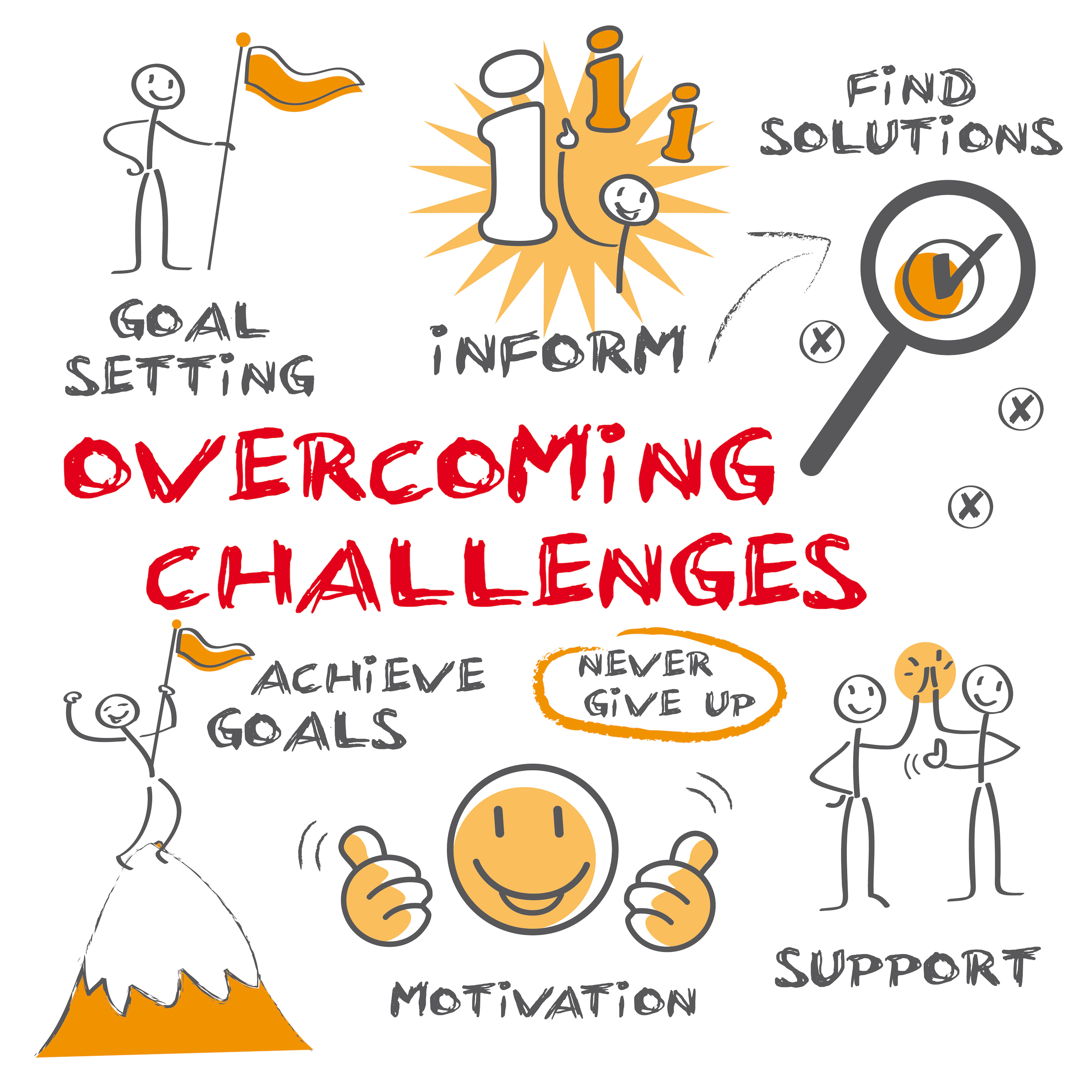
Coaching is a partnership focused on action. It is not therapy, and it does not treat mental health conditions. A coach helps you set clear goals, build a plan based on your strategies that you can follow, and stay accountable week to week. Think of it like a gym trainer for the mind. You bring effort and honesty; the coach brings tools, structure, and fresh perspectives you cannot get alone.
You get practical support. Coaches use simple frameworks, specific techniques, and flexible processes to turn your ideas into steps. Research across professional coaching program models shows that coached people reach goals faster, keep momentum longer, and report higher confidence. The reason is simple: consistent action plus timely feedback beats willpower alone. Working with a coach who has completed rigorous coaching training or earned credentials from ICF accredited ensures you receive evidence-based techniques.
Different Types of Coaching to Match Your Needs
Choosing a type that fits your current goal makes progress feel easier. Here are examples of common options.
- Executive coaching: For senior leaders, including CEOs, C-suite executives, and high-level managers for strategy development or decision-making, as well as high-potential employees preparing for advancement.
- Life coaching: For people seeking clarity across work, relationships, and daily habits. One key outcome may be a focused 90-day plan tied to values and priorities.
- Career coaching: For professionals who want growth, a new role, or better leadership skills. One key outcome may be a proved promotion plan, including a skills map and a visible win’s tracker.
- Wellness coaching: For anyone who needs steadier energy, sleep, and stress control. One key outcome may be a repeatable routine for sleep, movement, and meals that fits real life.
- Business coaching: For business owners that want to work smart and be intentional with business growth, sustainability, scalability, salability, or succession planning.
Tip: pick the coach by the outcome you want, not the trend you see online. For example, coaching providers like Coach-123 will match you with coaches based on your objectives, interests, and budget.
If you are interested in exploring coaching certification, best coaching programs, or online coaching programs to deepen your own coaching journey, seek out training providers offering comprehensive coaching courses and coaching certification classes.
Real Benefits Backed by Success Stories
Short, real wins show how coaching pays off.
- After six sessions, J., a project manager, cut meeting time by 30 percent using a tighter agenda and weekly priorities. Result: a completed product sprint two weeks early and clear praise in a performance review.
- L., a parent of two, developed a nightly shutdown routine with her coach. In four weeks, she added 45 minutes of sleep per night and reduced morning conflicts at home from daily to once a week.
- R., a mid-career marketer, built a 60-day portfolio upgrade and a weekly networking plan. He secured three interviews by week seven and accepted a role with a 12 percent raise by week ten.
These gains came from small actions, tracked weekly, with a coach who asked sharp questions and helped them hold the plan steady.
How to Set Clear Goals That Stick
SMART goals keep your plan tight and doable. In plain terms:
- Specific: name the result and the action.
- Measurable: set a number or proof of progress.
- Actionable: you can define and take steps forward.
- Relevant: tie it to what matters now.
- Time-bound: add a date or deadline.
Use this simple template, then plug in one example to test it:
- Goal: What do you want to achieve and why?
- Specific action: What will you do and how often?
- Measure: How will you track it?
- Support: Who or what will help you?
- Timeline: When will you finish or review?
Example:
- Goal: Improve energy for work and family.
- Specific action: Walk for 20 minutes after lunch on weekdays.
- Measure: 5 walks per week logged in my phone.
- Support: A friend texts me at noon to confirm.
- Timeline: Do this for 4 weeks, review on the last Friday.
Coaching makes these goals tighter by providing the process for you to create the plan, stress-test the measure, right-size the timeline, and link weekly actions to your bigger aim.
Finding and Choosing the Right Coach for You
Focus on fit, not fame. You want a coach who you feel most comfortable with to support your goals and your pace.
Ask in the intro call:
- What is your process when starting with a new client?
- What outcomes have other clients had after 8 to 12 weeks?
- How do you track progress between sessions?
- What is your approach when I fall behind?
- What training or certifications do you hold? (Look for coaching certification from recognized bodies or accredited online coaching training completion)
- What does a typical session look like?
Where to look:
- Referrals from peers or mentor coaching relationships.
- Online directories or coaching providers and LinkedIn searches.
- Testimonials with detailed outcomes, not hype.
Red flags:
- Vague promises without a plan.
- No clear contract, goals, or cadence.
- Pressure to buy long packages upfront.
- One-size-fits-all worksheets for every client.
Pick the coach who you feel most comfortable with and makes your next step obvious. Look for those with credentials from best coaching programs or training for coaches with backgrounds that indicate serious professional development. Talk with three coaches; book one intro call, set one SMART goal, and get moving.
Conclusion
Growth happens when small, honest actions meet a clear plan. You learned the core idea: focus on skills, mindset, and habits that align with your values. You saw how coaching turns that idea into steady movement, with structure, feedback, and accountability that keeps goals real.
Do one simple thing today to lock in momentum. Open a notebook and write one 30-day goal, add a measure, a tiny daily action, and a weekly check-in. Then choose support, a coach if you want a partner, or a trusted friend if you prefer to start solo. If a coach fits your next step, research options from professional coaching program providers or center of executive coaching resources depending on your specialization needs, book one intro call, and ask about outcomes and tracking.
Return now to the opening spark: the shift Maya felt was not magic. It came from clear goals, better habits, and a plan she easily kept. You can build the same momentum, one week at a time.
Start now, not later. Journal your goal, set your first action, and share it with someone who will hold you to it. Your future self will thank you for the choice you make today.